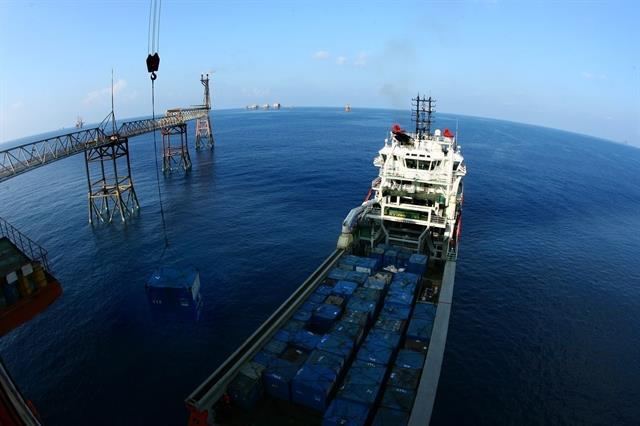
The oil and gas industry no longer enjoys the favourable conditions of previous decades, with many major oil and gas fields entering decline while new discoveries are increasingly located in deeper waters, requiring higher investment, more advanced technology and stricter...
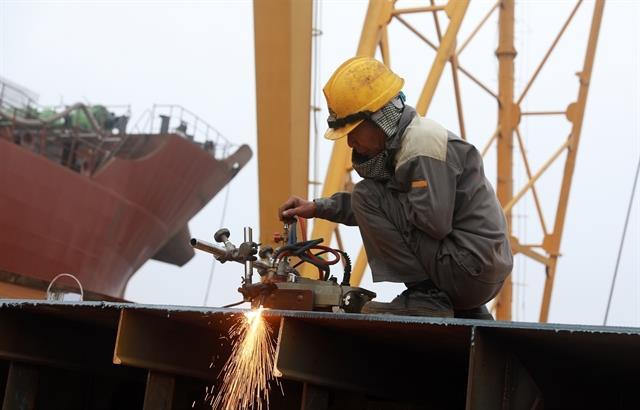
A new wave of global demand for greener vessels and mounting pressure to diversify supply chains is offering Việt Nam a rare opportunity for the country to revive and expand its shipbuilding industry after more than a decade of restructuring.
Renewable energy and nuclear power now account for around 42 per cent of global electricity generation, while wind and solar power are on track to overtake coal as the world''s top source of electricity.
Việt Nam must accelerate its energy transition and remove longstanding bottlenecks in infrastructure and institutional frameworks to sustain double-digit economic growth.
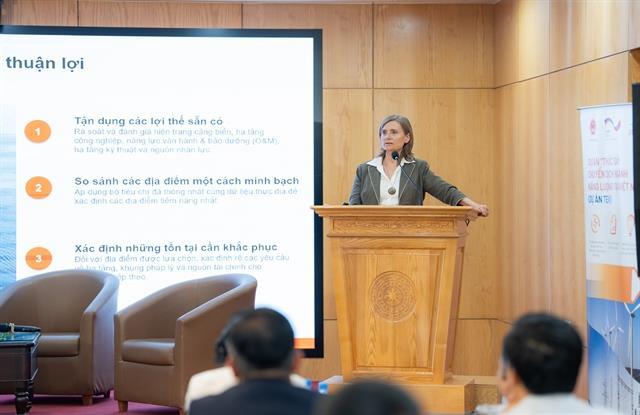
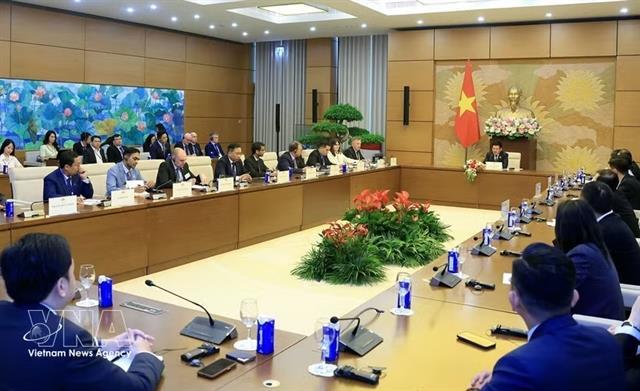
National Assembly Vice Chairman Nguyễn Hồng Diên praised GWEC’s role and contributions in promoting renewable energy worldwide through policy recommendations and its active cooperation with Việt Namese agencies and partners in recent years.
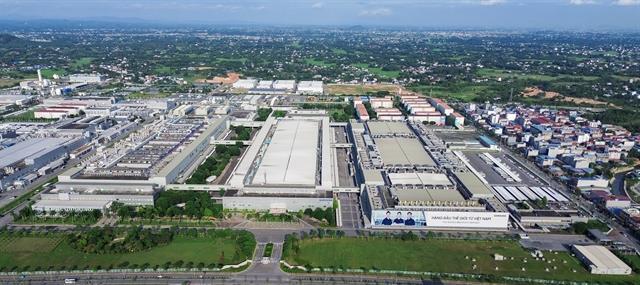
A landmark electricity deal marks a new step in Việt Nam’s clean energy transition as a global manufacturer becomes the first to buy renewable power directly from a producer through the national grid.
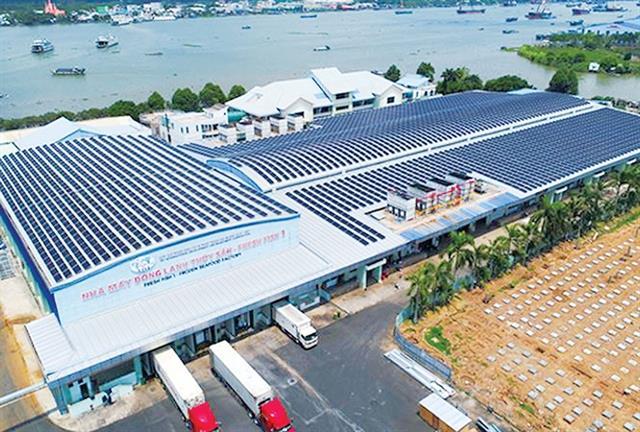
Rooftop solar power, especially when combined with Battery Energy Storage Systems (BESS), is emerging as a strategic solution, paving the way for a greener, more flexible and more sustainable industrial park model.
To sustain GDP growth of around 10 per cent, electricity demand is expected to increase by 12-15 per cent annually, requiring an additional 7,000-8,000 MW of new capacity each year.
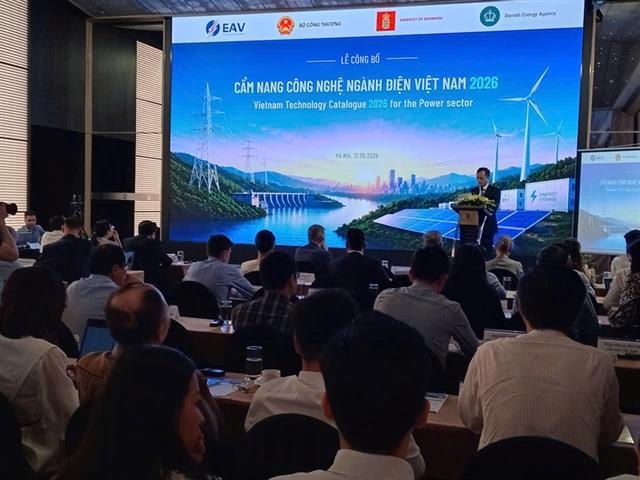
The publication comes as Việt Nam faces rising electricity demand driven by rapid economic growth and industrial expansion, while also seeking to reduce greenhouse-gas emissions under its international climate commitments.
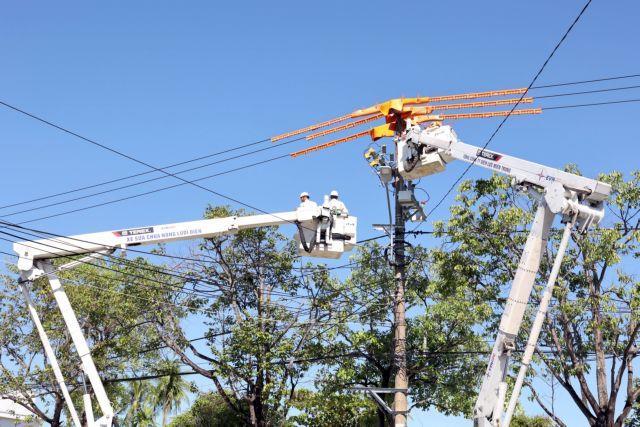
From operating the power system and supplementing supply sources to promoting electricity conservation and developing battery energy storage systems (BESS), a wide range of measures are being deployed to ensure stable power supply during periods of extreme demand.
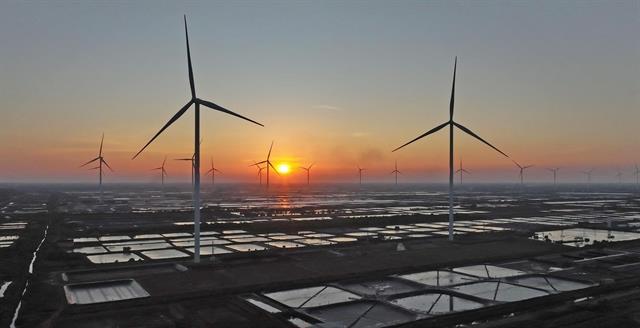
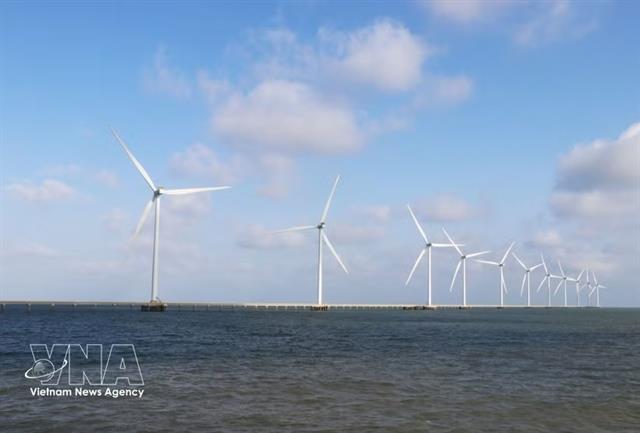
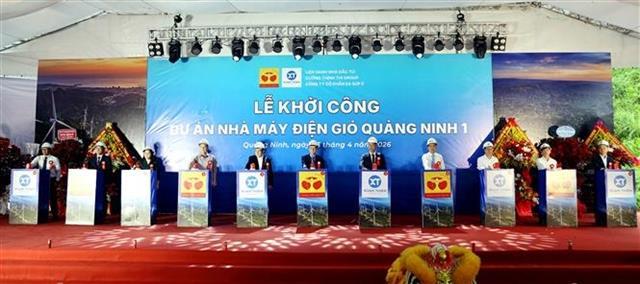
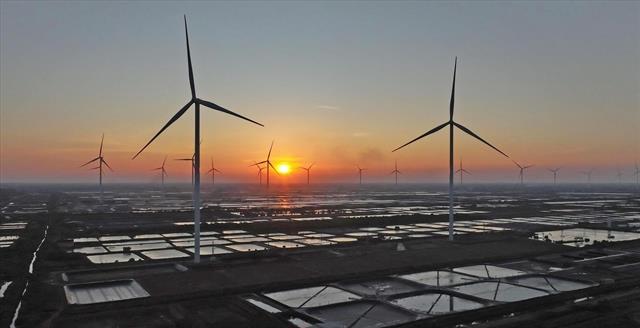
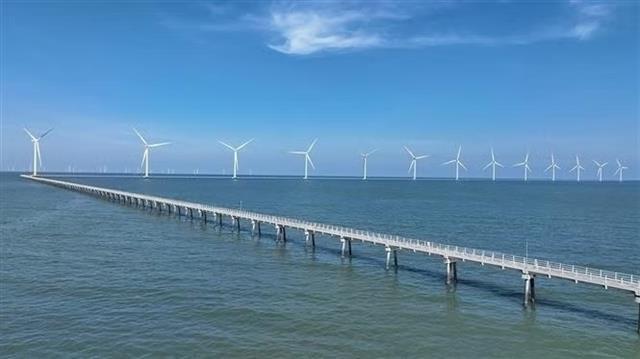
Ground broken on Quảng Ninh 1 wind farm, one of northern Việt Nam’s first large-scale projects, set to supply nearly 600 million kWh of clean power annually from 2028.
Organised by the Vietnam Chamber of Commerce and Industry (VCCI) and Diễn Đàn Doanh Nghiệp (Business Forum) magazine, the event gathered policymakers and industry representatives to discuss how to accelerate renewable energy adoption and ensure stable power supply.
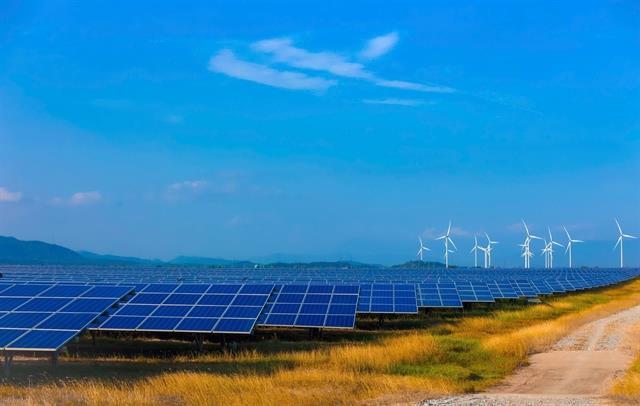
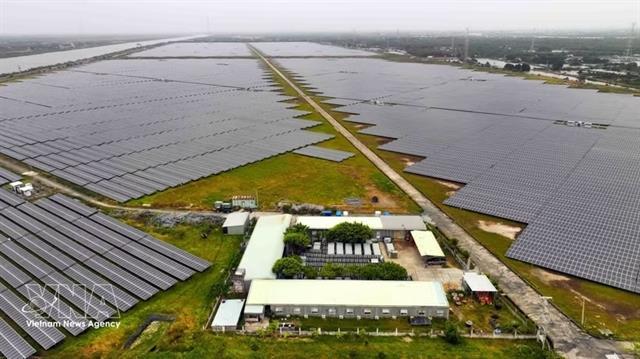
Việt Nam will strive to increase the proportion of renewable energy sources to approximately 47 per cent of the country’s total electricity capacity by 2030.
Việt Nam has raised its economic growth target to double-digit growth during 2026–30, which has altered energy demand projections and requires revisions to the national energy plan to safeguard energy supply for the economy.